Secure Terraform State: Never Store Secrets Again
Learn how to secure terraform state using write-only attributes and ephemeral resources, eliminating secret exposure from terraform state files.

Learn how to secure terraform state using write-only attributes and ephemeral resources, eliminating secret exposure from terraform state files.
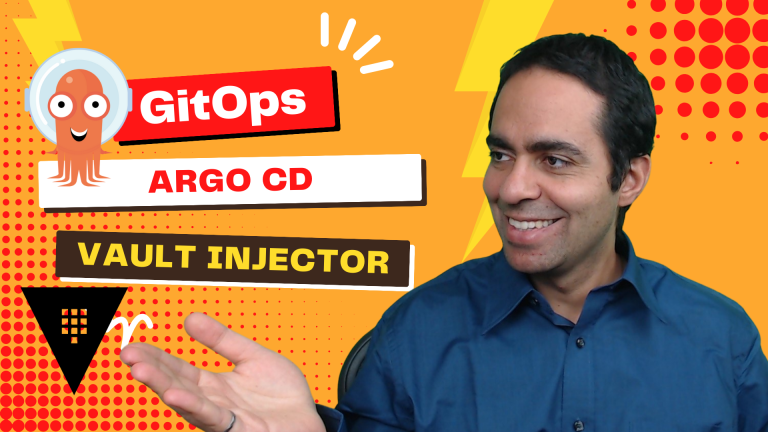
Discover the future of secure application deployment in our latest blog post! We delve into the powerful combination of GitOps with Argo CD and HashiCorp Vault, transforming how we manage and secure application secrets in Kubernetes. Learn how to say goodbye to the risky practice of hardcoding sensitive information and embrace a world of streamlined, secure deployments. Whether you’re a seasoned DevOps professional or just starting out, this guide offers valuable insights and practical steps to elevate your Kubernetes security. Join us as we unlock the secrets to a more secure and efficient deployment strategy!

Introduction In today’s ever-changing and complicated IT world, keeping secrets like API keys, passwords, and tokens safe and secure is crucial. HashiCorp Vault is a widely used solution that offers a secure central location for storing and accessing secrets. However, the challenge lies in securely introducing the Vault token, also known as Secret Zero, to…

Introduction Discover the Secrets to Vault Storage Backend Migration: From Consul to Integrated Storage (RAFT) Are you curious about how to perform a Vault backend migration? You’re not alone! Many organizations still rely on older Vault and Consul versions for their backend storage, but it’s time for an upgrade. In this exclusive blog post tutorial,…
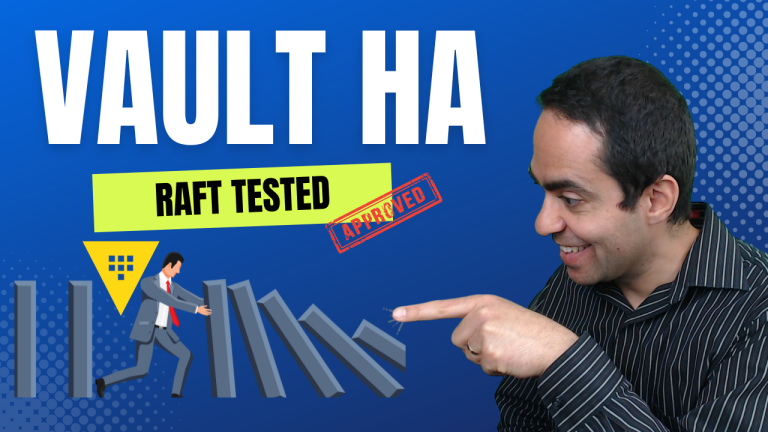
Introduction Vault Raft Cluster High Availability refers to implementing a highly available configuration for a Vault cluster using the Raft consensus protocol. HashiCorp Vault is a popular open-source tool developed by HashiCorp that provides secrets management and encryption capabilities. The Raft consensus protocol is used in Vault to ensure data consistency and fault tolerance in…
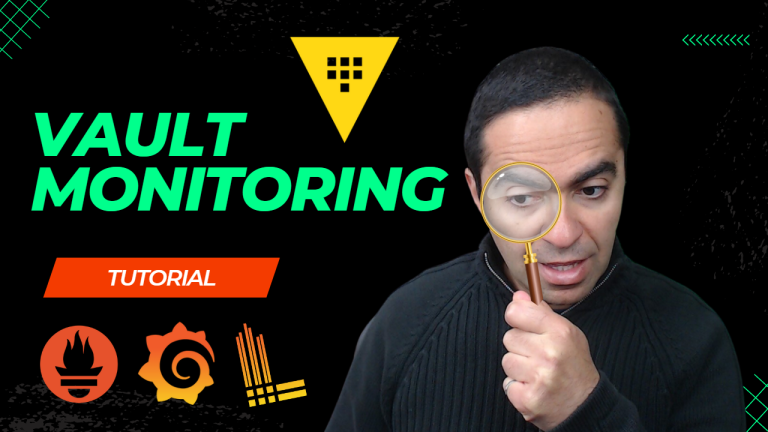
Introduction This blog post is a HashiCorp Vault Monitoring Tutorial using Prometheus, Grafana, and Loki. Monitoring Vault is essential to ensure its availability, performance, security, and compliance. By collecting and analyzing metrics (Telemetry), system logs, and audit logs from Vault, you can troubleshoot issues, identify trends, detect anomalies, and enforce policies. Monitoring Vault also helps…

This is a condensed HashiCorp Vault Tutorial course for beginners. You will learn the basics of Vault by the end of this course.
As a DevOps engineer, you know that managing secrets is critical to your job. And HashiCorp Vault is one of the best tools for the job. But what happens when you need to back up and restore your Vault data? In this post, we’ll show you how to use Raft snapshots to do just that. We’ll also show you how to store those snapshots in AWS S3 for added durability. So if you’re ready to learn how to keep your data safe, read on!

In our last blog post, Andrew at Money Leaves Bank decided to use Terraform to migrate their secrets hosted in AWS Secrets Manager to HashiCorp Vault. However, he got some push-back from the security team regarding secrets showing up in the Terraform state file. Money Leaves Bank hired you as a consultant to write a script to run the migration securely. You decide to use Python for the script, Docker to package it, and GitLab to automate the testing and packaging. Learn more in this blog post.

Andrew at Money Leaves Bank finally convinced Claire, his CIO, that HashiCorp Vault should be their secrets management solution as they are becoming a multi-cloud company. Now he is faced with the challenge of migrating their secrets hosted in AWS Secrets Manager to HashiCorp Vault. In this blog post, learn why Andrew decides to use Terraform for this task and how he implements the solution.
End of content
End of content