Secure Terraform State: Never Store Secrets Again
Learn how to secure terraform state using write-only attributes and ephemeral resources, eliminating secret exposure from terraform state files.

Learn how to secure terraform state using write-only attributes and ephemeral resources, eliminating secret exposure from terraform state files.
Tired of clicking through vSphere Client to deploy VMs? Learn how to automate Ubuntu 24.04 VM deployments using Terraform vSphere provider. This step-by-step guide shows you how to define your infrastructure as code, enabling deployment of multiple identical VMs with a single command. From provider configuration to cloud-init integration, we cover everything you need to transform manual VM creation into an efficient, repeatable workflow. Eliminate inconsistencies, save time, and scale effortlessly while gaining the benefits of version control for your infrastructure. Ready to modernize your VMware environment? This practical implementation scales from one VM to hundreds with minimal effort.

Step away from manual template creation in VMware vSphere! This comprehensive guide demonstrates how to automate Ubuntu 24.04 VM template creation using HashiCorp Packer. Learn how to leverage the vSphere API to build consistent, repeatable virtual machine images with pre-installed Docker, configured VMware tools, and cloud-init integration. We’ll walk through the entire process from configuration to deployment, including a CD-ROM-based cloud-init approach that works even in restricted network environments. Save hours of tedious work, eliminate human error, and create templates that are perfectly optimized for deployment. Complete with workflow diagrams and detailed code examples, this guide will transform how you manage virtual machine templates in your VMware environment. The days of clicking through installation wizards are over—embrace Infrastructure as Code for your template creation process.

Automating VM deployment with Terraform and Proxmox transforms what was once a tedious, error-prone process into a streamlined, code-driven workflow. This powerful combination enables you to define your infrastructure as code, version control your configurations, and deploy identical environments with remarkable speed and consistency.
In just under two minutes, you can go from nothing to a fully configured Ubuntu 24.04 VM with custom resources, network settings, and pre-installed software—a process that would take 5-10 minutes through the Proxmox UI and require constant attention. For environments that need multiple VMs or frequent rebuilds, this automation doesn’t just save time—it fundamentally changes how you manage your infrastructure.
Struggling to bring existing infrastructure under Terraform management? This guide walks you through the modern Terraform import method using the import block and generate-config-out flag. Follow a hands-on demo with UpCloud to see how easy and safe importing can be—no more writing HCL from scratch or fearing resource deletion.
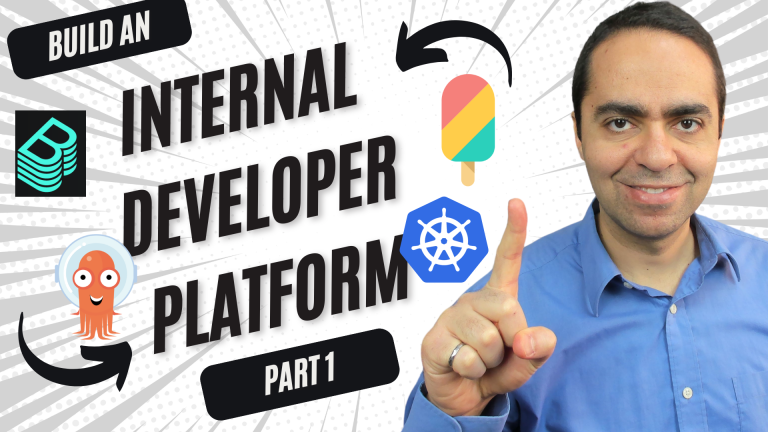
Embark on a transformative journey with our latest blog post, ‘Building an Internal Developer Platform with GitOps: Part 1 – Automating GKE Clusters.’ Dive deep into the heart of platform engineering and discover how integrating GitOps into your workflow can revolutionize infrastructure management. This comprehensive guide introduces the powerful trio of Backstage, Crossplane, and ArgoCD, providing a step-by-step approach to automating Google Kubernetes Engine (GKE) clusters. Whether you’re a seasoned engineer or new to the field, this post lays the groundwork for enhancing developer operations and setting the stage for seamless application deployment. Unlock the full potential of your development process with our expert insights and practical demonstrations.

Dive into our Crossplane tutorial to master GKE cluster creation in Kubernetes. Explore step-by-step guides on using Crossplane providers, resources, and compositions for efficient cloud infrastructure management. Ideal for beginners and experts alike, this post simplifies complex setups, unveiling the power of Crossplane in cloud-native environments.

Crossplane is revolutionizing how we manage cloud resources across AWS, Google Cloud, and Azure. Simplifying life for platform engineers, it orchestrates apps and resources from a single control plane. Want to know how it squares up against Terraform and see it in action? This blog post has got you covered!
Don’t have time and want to learn the basics of Terraform quickly? Get started with this beginner’s guide to Terraform.
Discover the distinctions between Terraform and Ansible in this Terraform vs Ansible comparison demonstration. The outcome may surprise you!
End of content
End of content